- Joined
- Apr 4, 2007
- Professional Status
- Certified Residential Appraiser
- State
- Tennessee
Yep.I personally believe the ideal product is a blend of what big data offers and what a traditional appraisal offers in one product, .

 community for the discussion of real estate appraisal. Register a free account to be able to post and unlock additional forums and features.
Yep.I personally believe the ideal product is a blend of what big data offers and what a traditional appraisal offers in one product, .

that is pretty funny ! lol thanks for afternoon cheer up...Actually, the reason for three comps was primarily because that is how many the forms designers could squeeze across a piece of paper 8 1/2 inches wide. I am 100% not kidding


Just like everyone relied upon Moody's Triple A rated bonds in 2007? Reliance does not equate to making these valuations bullet proof, or even within 2 standard deviations of precision especially in a rapidly falling market. Think 2009.As the quality of the info they're working with is getting better the percentage of the valuation problems they can be relied upon will increase.

Okay, we are almost back to square one. Who says the model derives "proper" condition rating? Do you make that decision? Why do you accept reports from appraisers that can't get the condition rating correct? Like it is a fine line sometimes between C3 and C4. Who makes the decision of what is "proper"? And if you are having problems with a few appraisers, then what are your next actions?Freddie does that through use of a separate condition model. Test results show that the model derives and reports the proper condition rating more often than what is reported in 1004s.
Many think that an appraisal waiver is a total pass in evaluation of the collateral, and that is not true. The lack of a traditional appraisal report does not mean a free pass on value or condition.
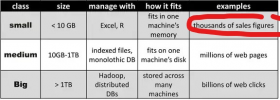
I agree that Big Data is a total misnomer when one speaks of appraisal. On the other hand “analysis“ of three or four sales is also woefully inadequate, especially given the tools available today. And, I intentionally put analysis in quotes because I believe that many still adjust from a list rather from actual data. Over my eight years at the AMC I spoke with several who could not even converse intelligently about how to derive an adjustment ( and, yes, those folks were subsequently invited to depart the panel).As I said before, the term “Big data” should be stricken from the Real estate vocabulary. Big data infers to thousands of pieces of data. Real estate is not a commodity of widgets coming off the assembly line.
When I complete an appraisal, I may have only added four comps to the grid. But I have **analyzed**anywhere between 50 to 100 sales. And those sales have been rated for Condition, Quality, location, View, etc.
If you do this type of analysis, you can expect to be punished by the AMCs and Lenders because you charge a bit more than your competition and take longer to complete than if you slap three comps together and call it a day.
LOL. Two std deviations. Not much of a bar.Just like everyone relied upon Moody's Triple A rated bonds in 2007? Reliance does not equate to making these valuations bullet proof, or even within 2 standard deviations of precision especially in a rapidly falling market. Think 2009.