
- Joined
- Jan 15, 2002
- Professional Status
- Certified General Appraiser
- State
- California
You keep using boom and recovery as if either of those terms as you're using them means anything to anyone other than yourself. They don't. The only way that distinction would work would be if you were benchmarking everything off of the 2005 pricing as if that was somehow typical. There is either increase or decrease.
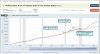
Except that Schiller defines the term "bubble" as price increases that exceed the long term trend by at least two standard deviations. In other words, if the average of peak prices only gets +15% over the trend then an upleg wouldn't become a bubble until it surpassed +30% above the long term trend. Simply being a bit overvalued doesn't merit calling out a bubble.
This current upleg could have ended 2 years ago without ever coming close to the 2005 peak had there been reason for the market to do that. The fact that it WAS higher in 2005 doesn't mean anything by itself other than it was higher in 2005.
Except that Schiller defines the term "bubble" as price increases that exceed the long term trend by at least two standard deviations. In other words, if the average of peak prices only gets +15% over the trend then an upleg wouldn't become a bubble until it surpassed +30% above the long term trend. Simply being a bit overvalued doesn't merit calling out a bubble.
This current upleg could have ended 2 years ago without ever coming close to the 2005 peak had there been reason for the market to do that. The fact that it WAS higher in 2005 doesn't mean anything by itself other than it was higher in 2005.
Last edited: