• Welcome to AppraisersForum.com, the premier online  community for the discussion of real estate appraisal. Register a free account to be able to post and unlock additional forums and features.

Disposal and septic tank

Bobby Bucks

Elite Member
Joined
Jan 27, 2002
Professional Status
Real Estate Agent or Broker
State
North Dakota
Disposals and septic tanks don't work well together in most cases, more than one plumber has told me that. About once a year I have a refinance where the subject has a disposal and a septic tank, I ask the owner if they have had septic issues, in some cases they have and are grateful for the information that the disposal may be the culprit. . I tell them what plumbers have told me and leave it it that. I have an assignment that is vacant, it's a purchase, disposal and septic. It's also FHA. No visible septic issues. I'm not going to bring the lending freight train to screeching halt and require it be removed. Options. (1) Not mention it other than checking the boxes. (2) Mention it in condition comments, (3) require an inspection of the septic tank which seems overkill. What say the experts? Lastly, yes, I'm an incompetent slob, a slovenly appraiser who is in over his head and my mentor disowned me and wont' return my calls, but I do have a Chums number, do you?
 
Disposals and septic tanks don't work well together in most cases, more than one plumber has told me that. About once a year I have a refinance where the subject has a disposal and a septic tank, I ask the owner if they have had septic issues, in some cases they have and are grateful for the information that the disposal may be the culprit. . I tell them what plumbers have told me and leave it it that. I have an assignment that is vacant, it's a purchase, disposal and septic. It's also FHA. No visible septic issues. I'm not going to bring the lending freight train to screeching halt and require it be removed. Options. (1) Not mention it other than checking the boxes. (2) Mention it in condition comments, (3) require an inspection of the septic tank which seems overkill. What say the experts? Lastly, yes, I'm an incompetent slob, a slovenly appraiser who is in over his head and my mentor disowned me and wont' return my calls, but I do have a Chums number, do you?
When we remodeled our kitchen a disposal wasn't even considered for the same reasons. I have heard the same from every plumber and septic installer and pumper I have talked to. Same thing with grease.
 
If you have a septic system, there are several rules:

No garbage disposal.

No FLUSHABLE wipes EVER.

No tissues, ONLY toilet paper.

No chewing gum in the toilet.

Get the tank sucked out every 2-3 years for $300.
 
My septic guy said that's a myth as long as they're having their tank pumped regularly. Problem is most people don't. We have 1000 gallon tank that we pump every 3 years. We do have a disposal, but rarely use it. We compost all food scraps in the chicken yard.

Technically, it's all the same stuff, one just passes thru a human and the other thru the disposal.
 
Technically, it's all the same stuff, one just passes thru a human and the other thru the disposal.
Except what passes through a human has, for lack of a better term, already been broken down. Much easier for a septic to "finish the job".
 
If you have a septic system, there are several rules:

No garbage disposal.

No FLUSHABLE wipes EVER.

No tissues, ONLY toilet paper.

No chewing gum in the toilet.

Get the tank sucked out every 2-3 years for $300.
Also refrain from using bleach based products that end up in the septic
 
I'll admit to being ignorant on this issue, but having both a disposal and a septic has piqued my interest--what problems are there with a disposal? We don't do grease, or eggshells, but beyond that, what goes wrong?
 
Except what passes through a human has, for lack of a better term, already been broken down. Much easier for a septic to "finish the job".

A septic doesn't finish the job, it collects solids and allows the liquid to move on. The difference in breakdown between the two is negligible as the solids still need to be removed. We have a Presby mound system which actually works with bacterial mats in the leach field. Which supposedly work better if solids get past the tank.

Either way, you don't want solids to make it to the leach field. Pumping regularly avoids this
 
A septic doesn't finish the job, it collects solids and allows the liquid to move on. The difference in breakdown between the two is negligible as the solids still need to be removed. We have a Presby mound system which actually works with bacterial mats in the leach field. Which supposedly work better if solids get past the tank.

Either way, you don't want solids to make it to the leach field. Pumping regularly avoids this
AI Overview


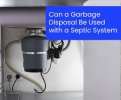
Can a Garbage Disposal Be Used with a Septic System? - Crews ...
Garbage disposals are bad for septic systems because they introduce excessive solids and water, overloading the tank, disrupting the beneficial bacteria needed for breakdown, and increasing sludge, which leads to faster fill-ups, more frequent pumping, potential clogs, and even drain field failure, costing more money and effort. While some "septic-safe" disposals exist, traditional ones strain the system by adding material that bacteria struggle to process, forcing more frequent maintenance.

Key Problems with Disposals & Septic Systems:
  • Overloads the Tank: Food particles add bulk, rapidly increasing the sludge layer (solids) at the bottom of the tank, reducing its treatment capacity.
  • Disrupts Bacteria: The natural bacteria struggle to break down food waste as efficiently as human waste, upsetting the tank's delicate ecosystem.
  • Requires More Pumping: Faster sludge buildup means your tank needs professional pumping much more often (potentially twice as often).
  • Increases Clog Risk: Excess solids can escape the tank and clog the drain field (leach field), a costly repair.
  • Adds Water: Disposals require extra water, which can fill the tank faster and flush solids into the drain field prematurely.

What to Do Instead:
  • Compost: The best alternative for food scraps, turning waste into garden nutrients.
  • Scrape into Trash: Scrape plates into the trash can before washing dishes.
  • Use a Sink Strainer: Catch food particles in a basket instead of grinding them.

If You Must Use One (Use with Extreme Caution):
  • Run cold water to help move waste and solidify fats.
  • Avoid fibrous foods, coffee grounds, fats, oils, and grease (FOGs).
  • Understand you'll likely need more frequent pumping.
 
Nothing in that slop contradicts what I said
 
Find a Real Estate Appraiser - Enter Zip Code

Copyright © 2000-, AppraisersForum.com, All Rights Reserved
AppraisersForum.com is proudly hosted by the folks at
AppraiserSites.com
Back
Top