Randolph Kinney
Elite Member
- Joined
- Apr 7, 2005
- Professional Status
- Retired Appraiser
- State
- North Carolina
Very true.
Has anyone paused to think about the solution to the ozone hole growing larger?
At Montreal, the participants agreed to freeze production of CFCs at 1986 levels and to reduce production by 50% by 1999. The international treaty designed to protect the ozone layer by phasing out the production of numerous substances that are responsible for ozone depletion was agreed on 16 September 1987, and entered into force on 1 January 1989.
As a result of the international agreement, the ozone hole in Antarctica is slowly recovering. Climate projections indicate that the ozone layer will return to 1980 levels between 2050 and 2070.
Ozone Hole Bigger Than North America, Study
Nov 14, 2015

Over the Antarctica, the hole in the ozone layer has expanded to become bigger than the North American continent, said scientists, based on information collected in October. Currently it has reached 10 million square miles, just a bit smaller than the record set in 2006, when the size was 10.42 million square miles.
This ozone hole is on one region of earth's stratosphere in which the gas that blocks ultraviolet rays gets depleted below a threshold, according to Weather.com.
However, some improvement is found in the ozone situation, mainly due to recent laws and regulations in various countries, banning the use of ozone-depleting chemicals. Cheeringly, the ozone hole over Antarctica is actually repairing itself, according to Popular Science.
http://www.counselheal.com/articles/15490/20151114/video-ozone-hole-bigger-north-america-study.htm
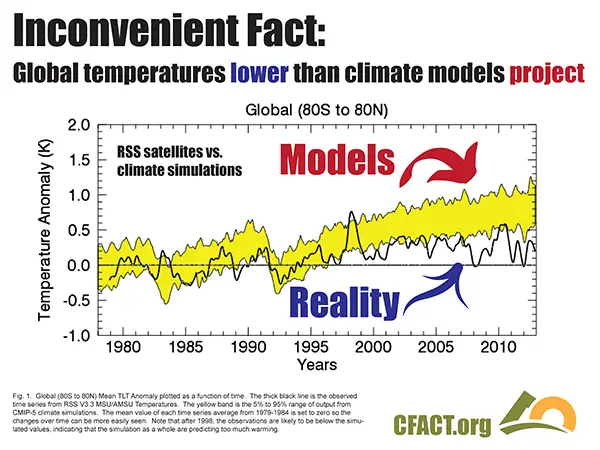
After COP21 agreement, we can expect the same cause and effect to occur with CO2 and global warming as what is happening to the Ozone protection treaty that went into force in 1989: decades later the ozone hole hits new record highs (no effect).

Especially science "boy" with a small "b"
Has anyone paused to think about the solution to the ozone hole growing larger?
At Montreal, the participants agreed to freeze production of CFCs at 1986 levels and to reduce production by 50% by 1999. The international treaty designed to protect the ozone layer by phasing out the production of numerous substances that are responsible for ozone depletion was agreed on 16 September 1987, and entered into force on 1 January 1989.
As a result of the international agreement, the ozone hole in Antarctica is slowly recovering. Climate projections indicate that the ozone layer will return to 1980 levels between 2050 and 2070.
Ozone Hole Bigger Than North America, Study
Nov 14, 2015
Over the Antarctica, the hole in the ozone layer has expanded to become bigger than the North American continent, said scientists, based on information collected in October. Currently it has reached 10 million square miles, just a bit smaller than the record set in 2006, when the size was 10.42 million square miles.
This ozone hole is on one region of earth's stratosphere in which the gas that blocks ultraviolet rays gets depleted below a threshold, according to Weather.com.
However, some improvement is found in the ozone situation, mainly due to recent laws and regulations in various countries, banning the use of ozone-depleting chemicals. Cheeringly, the ozone hole over Antarctica is actually repairing itself, according to Popular Science.
http://www.counselheal.com/articles/15490/20151114/video-ozone-hole-bigger-north-america-study.htm
After COP21 agreement, we can expect the same cause and effect to occur with CO2 and global warming as what is happening to the Ozone protection treaty that went into force in 1989: decades later the ozone hole hits new record highs (no effect).
Especially science "boy" with a small "b"